





An organized home can make everyday routines feel easier. When belongings have designated places, finding essential objects takes less time, and living spaces become more comfortable.
However, improving home organization doesn’t always require purchasing entirely new storage solutions.
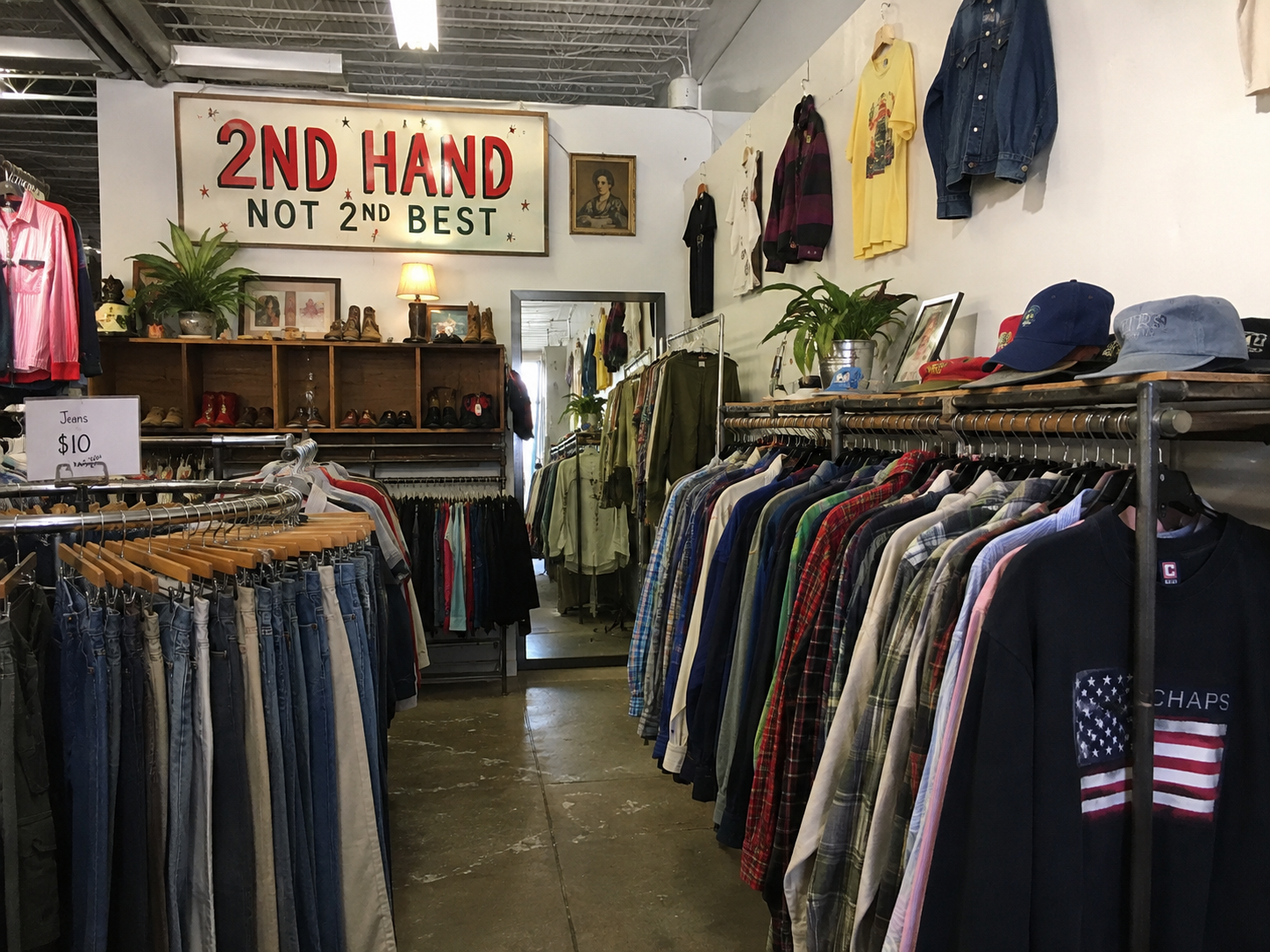
Exploring a thrift store for household items can inspire practical ideas for arranging existing spaces with pre-loved accessories.
Begin by Understanding Your Clutter
Before choosing storage containers, identify why certain areas become disorganized.
A crowded countertop may lack suitable storage, while an overflowing drawer might contain belongings you rarely use.
Addressing the cause of clutter is more effective than simply adding containers.
Sort Belongings Into Useful Categories
Group similar objects together.
Kitchen utensils, office supplies, clothing accessories, and hobby materials are easier to manage when separated according to purpose.
Remove items that are damaged beyond repair or no longer needed.
Once you understand what remains, you can choose storage solutions more accurately.
Discover Useful Storage Accessories
A thrift store for household items may provide opportunities to explore baskets, containers, organizers, and decorative accessories.
Availability changes, so it’s helpful to think in terms of functions rather than expecting a particular object.
Baskets for Everyday Essentials
Baskets can help organize lightweight belongings such as scarves, craft materials, or reading accessories.
Choose sturdy examples with smooth edges and handles that feel secure.
Consider where each basket will sit before selecting its size.
Containers for Smaller Objects
Small containers can help organize stationery, sewing supplies, and other frequently used belongings.
For objects that could be hazardous to children, choose storage that provides appropriate security rather than relying on decorative containers.
Shelving Accessories for Vertical Space
Limited floor space often makes vertical organization appealing.
Small organizers and suitable shelving accessories can improve access to everyday belongings.
Always confirm that shelves and supports are structurally sound and installed according to their intended load requirements.
Organize Different Rooms Strategically
A thrift store for household items can inspire different solutions depending on how each room functions.
Kitchen Organization
Start with cupboards and countertops.
Group frequently used utensils near their intended work areas.
Use clean, appropriate containers for non-food accessories, and ensure anything touching food is suitable for food contact.
Avoid repurposing unidentified vintage materials for food storage.
Living Room Organization
Living spaces often collect books, remote controls, magazines, and decorative accessories.
A suitable basket or tray can give frequently used objects a designated place.
Keep walkways clear and avoid filling every available surface.
Bedroom Organization
Bedrooms benefit from simple systems for clothing accessories and personal belongings.
Small organizers can separate scarves, belts, and other lightweight items.
The goal is to make daily routines easier, not to create complicated storage arrangements.
Inspect Household Accessories Before Use
Second-hand objects should be examined carefully.
Look for cracks, loose joints, sharp edges, corrosion, and signs of moisture damage.
For fabric or woven accessories, check for odours, pests, and deterioration.
Clean belongings according to their materials before placing them into regular use.
Measure Your Available Space
Take measurements of drawers, shelves, and cupboards before shopping.
An attractive container isn’t helpful if it prevents a drawer from closing or occupies too much countertop space.
Keeping measurements on your phone or in a notebook can make selection easier.
Build Organization Habits That Last
Storage accessories work best when combined with consistent routines.
Return objects to their designated places after use.
Review cluttered areas periodically and adjust arrangements when your needs change.
For anyone exploring local options, this London, Ontario household thrift store location can help with planning a shopping visit.
Avoid collecting containers without first identifying what they will hold.
Conclusion
A thrift store for household items can provide inspiration for practical, personalized home organization.
By understanding your storage needs, checking item condition, and choosing appropriate accessories, you can make existing spaces more functional.
The most effective organization systems are simple, safe, and easy to maintain, helping your home remain comfortable over time.