




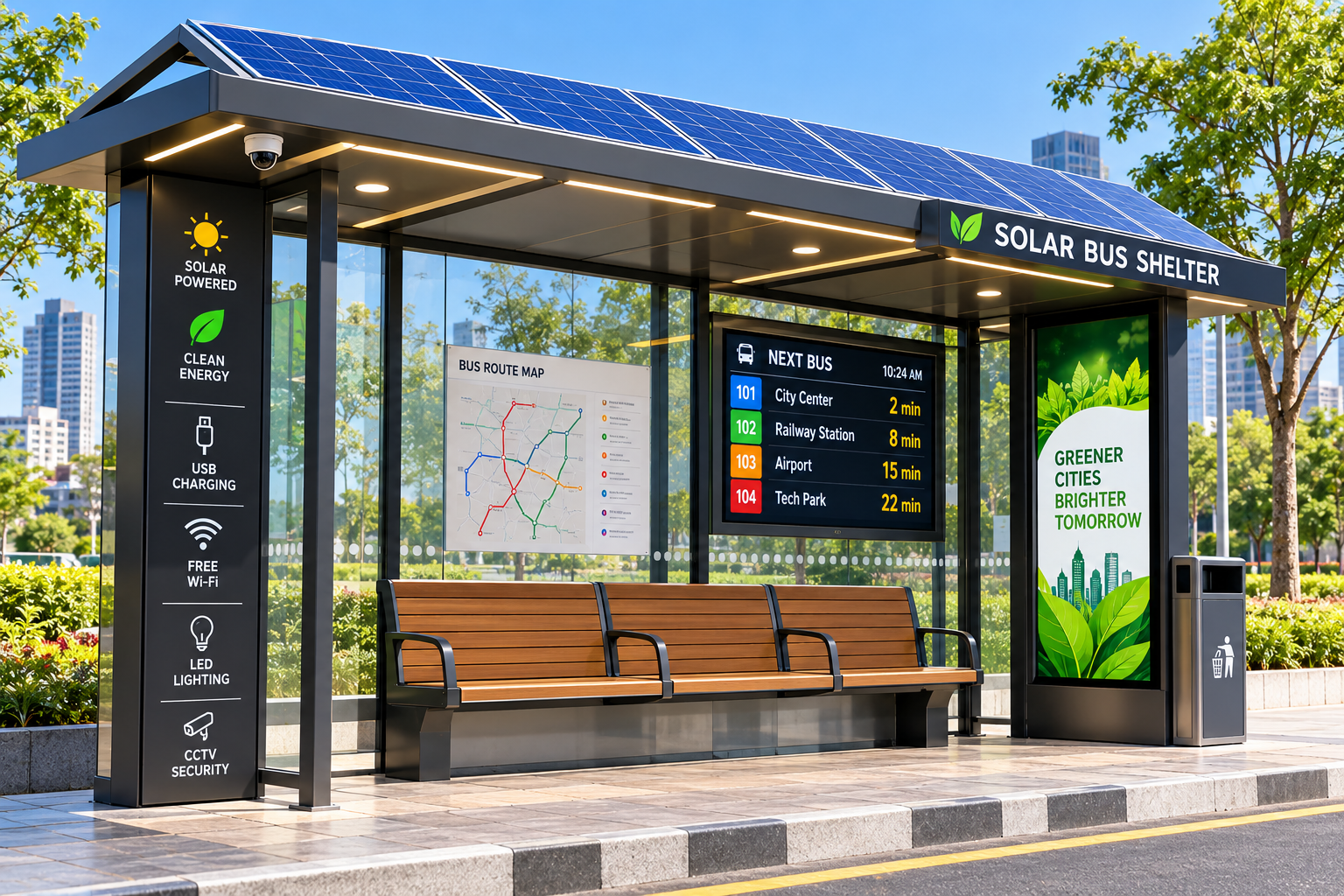
Public transportation infrastructure gradually deteriorates because of weather exposure, frequent use, accidental damage, and changing community requirements. Older bus shelters may develop structural problems, outdated layouts, inadequate accessibility, or maintenance difficulties. Replacing these structures requires more than removing existing shelters and installing new ones. An experienced bus shelter replacement program supplier can help transportation authorities […]
Public transportation infrastructure gradually deteriorates because of weather exposure, frequent use, accidental damage, and changing community requirements.
Older bus shelters may develop structural problems, outdated layouts, inadequate accessibility, or maintenance difficulties. Replacing these structures requires more than removing existing shelters and installing new ones.
An experienced bus shelter replacement program supplier can help transportation authorities approach infrastructure renewal through organized planning, consistent specifications, and coordinated implementation.
Why Bus Shelter Replacement Programs Are Necessary
Transit shelters are long-term public assets, but their condition changes over time.
Environmental exposure can affect roofing, structural connections, protective finishes, and transparent panels.
Meanwhile, evolving accessibility expectations and passenger needs may make older shelter layouts less suitable.
Replacement programs allow municipalities to assess these issues systematically instead of responding only when individual structures fail.
Identifying Aging Infrastructure
A shelter condition assessment may examine structural stability, corrosion, roof damage, drainage performance, and anchoring systems.
Inspectors should also consider visibility, seating arrangements, pedestrian clearance, and accessibility.
These findings help determine whether repair, refurbishment, or replacement is the most appropriate response.
Developing a Practical Replacement Strategy
Successful programs begin with accurate information about existing infrastructure.
Creating a Shelter Inventory
Transit authorities should maintain records of shelter locations, dimensions, materials, installation dates where known, and observed condition.
Photographs and inspection notes can support consistent evaluations.
A detailed inventory helps planners understand the scale of replacement work and identify locations requiring urgent attention.
Establishing Replacement Priorities
Not every shelter needs replacement at the same time.
Structures presenting safety concerns should receive appropriate immediate attention.
Other prioritization factors may include passenger usage, accessibility limitations, maintenance history, and environmental exposure.
A bus shelter replacement program supplier can support planning by helping standardize proposed shelter configurations.
Coordinating Installation Phases
Replacing multiple shelters requires careful scheduling.
Transit operations should remain accessible whenever possible, with temporary arrangements considered where construction affects passenger waiting areas.
Installation schedules must also account for site preparation, foundation conditions, material availability, and weather.
The Importance of Standardized Shelter Designs
Standardization can simplify infrastructure management across a transportation network.
Using consistent shelter dimensions and compatible components may improve maintenance efficiency.
It can also make future repairs easier by reducing unnecessary variation in replacement parts.
However, standardization should not prevent designs from adapting to different site conditions.
Balancing Consistency With Flexibility
High-volume transit stops may require larger shelters than low-traffic residential locations.
Some sites may have limited sidewalk space, while others need additional accessibility features.
A capable bus shelter replacement program supplier should recognize these differences and help accommodate appropriate configurations.
Material Selection for Long-Term Performance
Replacement shelters should be designed for expected environmental and operational conditions.
Corrosion-resistant materials, durable roof systems, and secure connections can improve long-term performance.
Aluminum offers useful corrosion resistance, while properly protected steel can provide substantial structural strength.
Transparent panels may improve visibility but should be selected with impact resistance and maintenance requirements in mind.
A bus shelter replacement program supplier should also provide clear technical information about materials and installation requirements.
Managing Accessibility and Community Needs
Modernization presents an opportunity to improve the passenger experience.
Shelter placement should preserve accessible pedestrian routes and provide appropriate boarding-area clearance.
Seating, lighting, visibility, and passenger information should be considered during planning.
Community feedback may also help identify problems that routine structural inspections overlook.
For additional regional context, planners can review municipal transit shelter resources while developing infrastructure renewal strategies.
Conclusion
A well-organized shelter replacement program can improve safety, accessibility, and long-term infrastructure reliability.
From condition assessments to installation coordination, each stage requires careful attention.
Choosing a knowledgeable bus shelter replacement program supplier helps municipalities approach shelter modernization with consistent specifications and practical implementation goals.
Through systematic planning, transit authorities can create more dependable waiting environments for current and future passengers.