



Older bathrooms often have character, but their layouts and construction details may no longer meet modern expectations. Limited storage, aging finishes, insufficient lighting, and awkward fixture placement can affect everyday comfort. For homeowners exploring bathroom renovation etobicoke, updating an older bathroom offers an opportunity to preserve useful features while improving functionality and long-term reliability. What […]
Older bathrooms often have character, but their layouts and construction details may no longer meet modern expectations. Limited storage, aging finishes, insufficient lighting, and awkward fixture placement can affect everyday comfort. For homeowners exploring bathroom renovation etobicoke, updating an older bathroom offers an opportunity to preserve useful features while improving functionality and long-term reliability.
What Makes Older Bathroom Renovations Different?
Renovating an older bathroom may involve challenges that are not immediately visible.
Behind existing finishes, homeowners may encounter outdated plumbing arrangements, uneven surfaces, moisture damage, or electrical systems that need assessment.
These conditions can influence the renovation plan.
Examine Existing Infrastructure
Before selecting new fixtures, review the condition of plumbing and electrical components.
Older installations may not accommodate proposed changes without modifications.
An early assessment helps identify work that should happen before decorative finishes are installed.
Look for Hidden Moisture Problems
Water can sometimes penetrate behind tiles or surrounding fixtures without producing obvious surface damage.
Soft flooring, persistent odours, staining, and deteriorating grout may indicate underlying concerns.
A bathroom renovation etobicoke project should address the source of moisture problems rather than simply covering affected areas.
Decide Which Features Are Worth Keeping
Not every older bathroom requires a complete layout change.
If the existing fixture positions work well, retaining them may reduce unnecessary construction.
The key is distinguishing between elements that remain functional and those that create ongoing problems.
Preserve a Practical Layout
Moving plumbing fixtures can introduce additional technical requirements.
When the current layout provides comfortable access and sufficient clearance, targeted improvements may be appropriate.
Replacing worn finishes, improving lighting, and adding storage can sometimes transform the room without major rearrangement.
Update Inefficient Features
Some older bathrooms contain bulky vanities, inadequate ventilation, or bathing areas that are difficult to access.
These elements may justify more substantial changes.
Evaluate each feature according to daily usability and long-term needs.
Bring More Light Into the Bathroom
Older bathrooms may have small windows or limited artificial lighting.
A brighter environment can make the room feel cleaner and more welcoming.
Use Layered Lighting
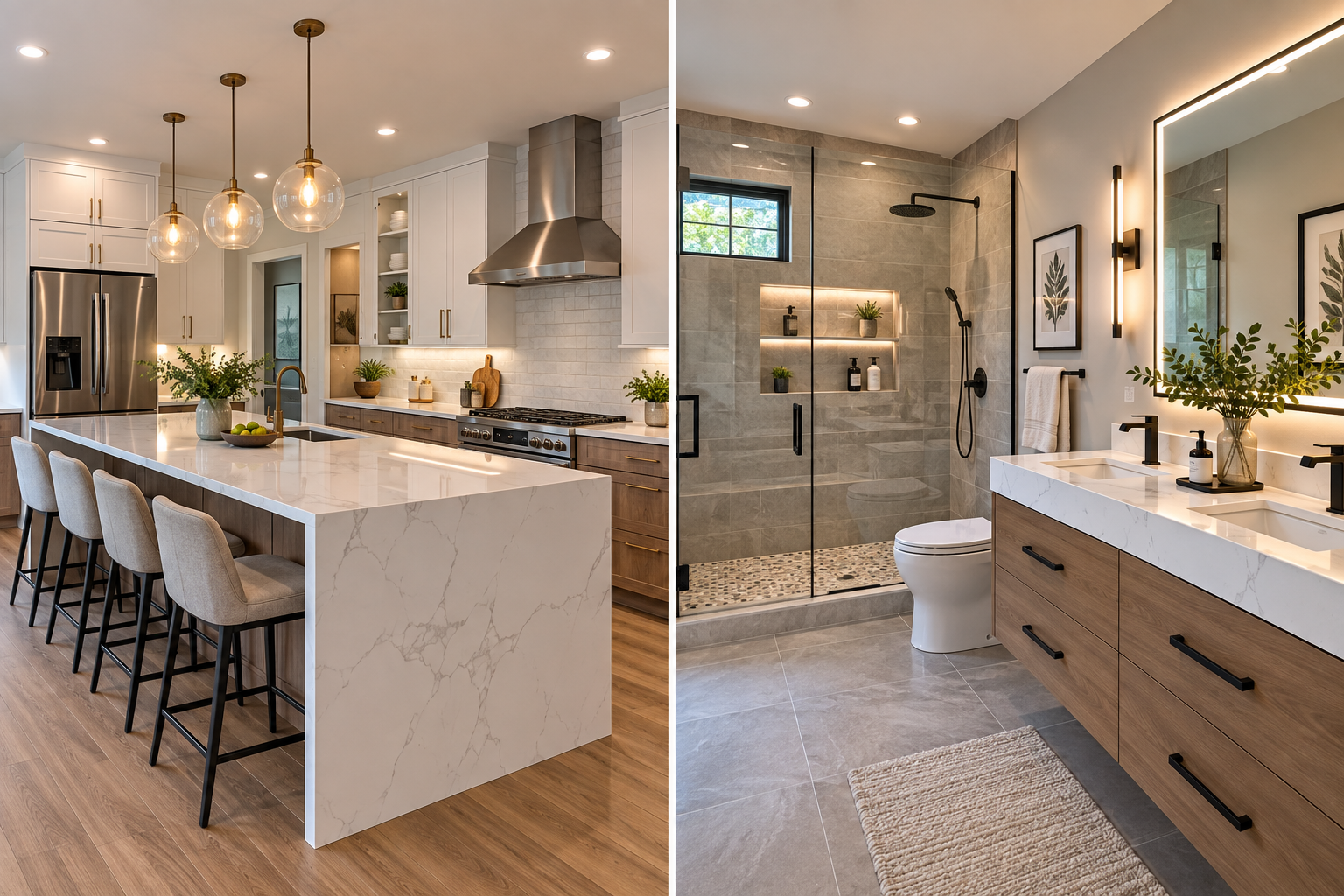
Combine general ceiling illumination with focused lighting near the mirror.
This arrangement improves visibility for grooming and other routine activities.
Where suitable, additional lighting can improve darker corners.
Choose Colours That Support Brightness
Light-coloured walls and reflective surfaces can help distribute available light.
However, an entirely pale bathroom is not necessary.
Contrasting finishes and carefully selected textures can create depth while maintaining an open appearance.
Improve Storage Without Overcrowding
Storage is a common limitation in older bathrooms.
Modern organization techniques can help make better use of existing dimensions.
Reconsider the Vanity
A vanity with organized drawers may provide more accessible storage than a cabinet with one large compartment.
Choose dimensions that allow comfortable movement.
Use Underutilized Wall Areas
Recessed cabinets, narrow shelving, and carefully positioned storage can reduce countertop clutter.
Avoid installing units where they interfere with doors, windows, or ventilation.
Plan for Building and Property Requirements
A bathroom renovation etobicoke project may require attention to applicable building rules and technical standards.
Certain plumbing, structural, or electrical changes may require permits or qualified trades.
Condominium properties can also involve building-specific renovation procedures.
Homeowners researching Etobicoke renovation planning assistance should clarify these requirements before work begins.
Proper planning helps prevent avoidable delays and supports safe construction.
Conclusion
Renovating an older bathroom involves more than replacing outdated surfaces. It requires understanding existing conditions, preserving useful features, and correcting limitations that affect comfort and durability.
A well-planned bathroom renovation etobicoke project can improve lighting, storage, ventilation, accessibility, and overall usability. By balancing thoughtful design with careful attention to underlying construction, homeowners can transform an aging bathroom into a comfortable space that serves their household for years to come.