



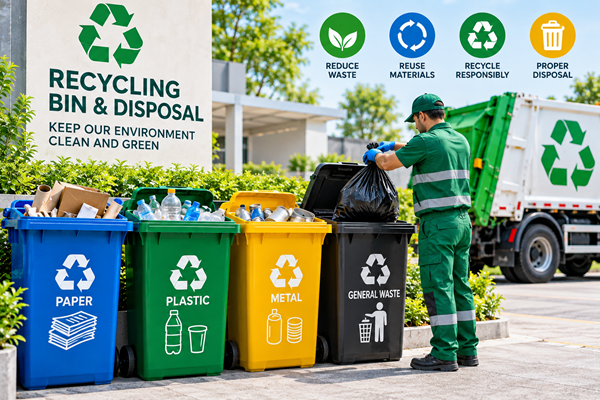
Every successful cleanup project needs a plan for handling unwanted materials. Whether you are replacing flooring, clearing a rental property, or completing outdoor improvements, waste can accumulate faster than expected. Searching for disposal bins near me can help you identify suitable collection options before the project begins.
A well-organized waste collection strategy keeps work areas accessible, reduces unnecessary material handling, and helps prevent disposal problems.
Begin With a Waste Assessment
Before selecting a collection container, identify the materials your project will generate.
Understand Project Scope
A single-room renovation may produce drywall, flooring, and packaging.
A complete property cleanup may generate furniture, household items, and mixed waste.
Different projects require different collection arrangements.
Estimate Waste Volume
Consider both the quantity and size of unwanted materials.
Bulky objects may occupy significant container space even when they are relatively lightweight.
Identify Heavy Materials
Concrete, bricks, soil, and similar debris can quickly increase load weight.
Specialized collection arrangements may be necessary.
Choosing a Suitable Disposal Bin
When evaluating disposal bins near me, focus on practical requirements.
Container Capacity
Choose a container appropriate for the expected waste volume.
Underestimating capacity can interrupt cleanup activities.
Material Compatibility
Confirm that the intended waste materials are permitted.
Certain containers may be unsuitable for hazardous or exceptionally heavy materials.
Collection Access
The container should be positioned where collection equipment can reach it safely.
Avoid locations that obstruct normal property access.
Organizing Waste During the Project
Good waste management depends on consistent habits.
Establish Clear Disposal Areas
Designate a location for general debris and separate areas for reusable or recyclable materials.
Remove Waste Regularly
Avoid allowing debris to accumulate around active work areas.
Communicate Sorting Rules
Ensure everyone involved understands which materials belong in each collection area.
Clear instructions can prevent contamination.
Safety Considerations for Disposal Bins
Waste containers should be used carefully.
Avoid Overloading
Follow loading limits and keep materials within the container’s permitted boundaries.
Handle Sharp Materials Carefully
Broken glass, metal edges, and construction debris can cause injuries.
Use appropriate protective equipment when handling hazardous edges.
Maintain Clear Walkways
Keep surrounding areas free from loose debris and unnecessary obstacles.
Improving Recycling During Cleanup Projects
Disposal bins can support organized waste management when combined with material separation.
Recover Suitable Materials
Metal, cardboard, clean wood, and certain construction materials may qualify for recycling.
Avoid Mixing Hazardous Waste
Chemicals, batteries, and other restricted materials require appropriate handling.
Confirm Local Processing Options
Not every recycling facility accepts every material.
Reviewing nearby waste collection and recycling information can help guide your disposal planning.
Preventing Common Collection Problems
Poor planning can lead to overflowing containers, blocked access, or unsuitable waste mixtures.
Estimating material quantities before work begins helps reduce these issues.
Another useful practice is scheduling collection around major cleanup stages.
For example, demolition work may generate substantial debris early in a renovation, while finishing activities produce smaller quantities later.
Adjusting collection arrangements to these patterns helps maintain project efficiency.
Conclusion
Finding disposal bins near me can make renovation work, property cleanups, and construction projects easier to manage.
The most effective approach involves assessing waste requirements, choosing suitable containers, and following safe loading practices.
By organizing materials carefully and separating recoverable resources, property owners and contractors can maintain cleaner workspaces while supporting responsible waste disposal.
